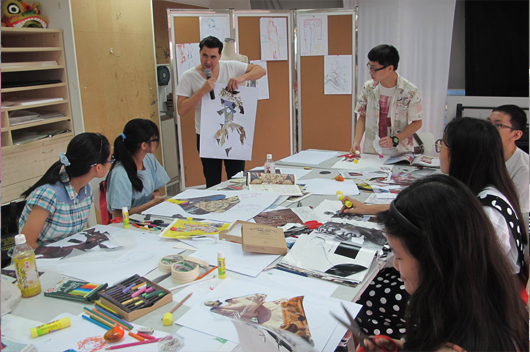
Generally speaking, most large and medium-sized clothing factories have their own designers to design clothing style collections. The clothing design of clothing enterprises can be roughly divided into two categories: one is ready to wear design, which involves developing a set of regular sizes based on the proportion of most people\'s sizes for large-scale production. When designing, it is not only necessary to choose fabrics and accessories, but also to understand the equipment of the clothing factory and the skills of the workers; The second category is fashion design, which designs various clothing items based on market trends and fashion trends.
01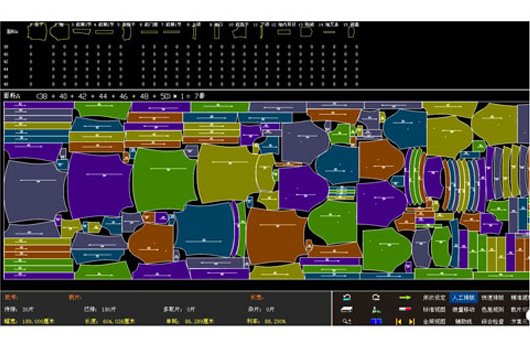
After the design sample of the clothing is confirmed by the customer, the next step is to draw different sizes of paper samples according to the customer\'s requirements. What is a drawing that enlarges or reduces a standard paper pattern? quot; Pattern coding \", also known as\" pushing files \". Currently, large clothing factories mostly use computers to complete the pattern coding work. Based on different sizes of patterns, they also need to produce production patterns and draw layout diagrams.
02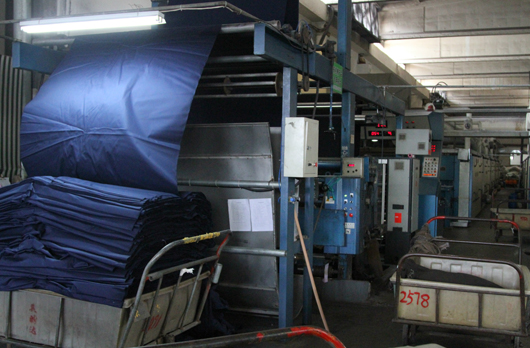
Sewing is a highly technical and important garment processing procedure throughout the entire garment manufacturing process. It is a process of combining various pieces of clothing into garments through reasonable stitching according to different style requirements. So, it is very important to organize the sewing process in a reasonable manner, including selecting stitches, sewing types, machine equipment, and tools.
03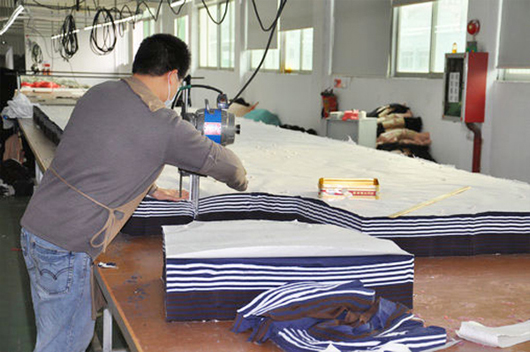
Generally speaking, cutting is the first process in clothing production, which involves cutting the fabric, lining, and other materials into finished garment pieces according to the requirements of cutting and sampling. It also includes cutting, laying, calculating, borrowing, nesting, cutting, inspecting, numbering, bundling, etc. for fabric defects.
04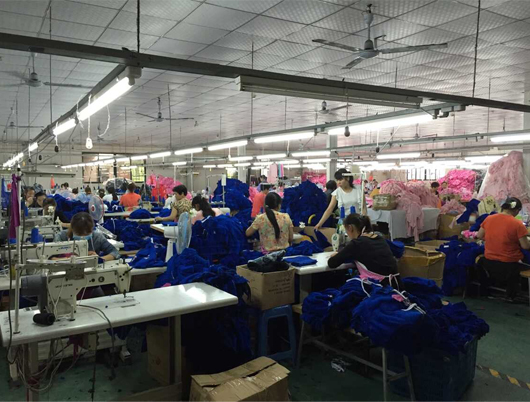
Sewing is a highly technical and important garment processing procedure throughout the entire garment manufacturing process. It is a process of combining various pieces of clothing into garments through reasonable stitching according to different style requirements. So, it is very important to organize the sewing process in a reasonable manner, including selecting stitches, sewing types, machine equipment, and tools.
05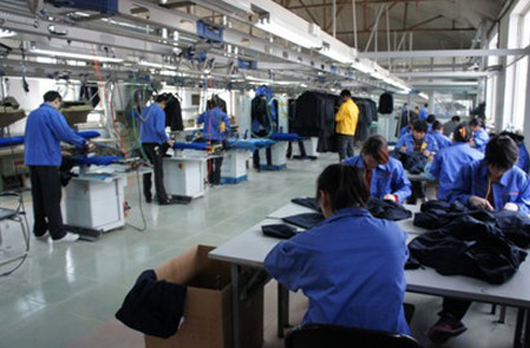
Sewing is a highly technical and important garment processing procedure throughout the entire garment manufacturing process. It is a process of combining various pieces of clothing into garments through reasonable stitching according to different style requirements. So, it is very important to organize the sewing process in a reasonable manner, including selecting stitches, sewing types, machine equipment, and tools.
06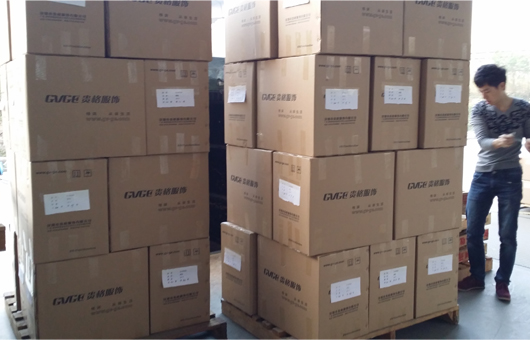
Post processing, including packaging, storage, and transportation, is the final step in the entire production process. The operator arranges and folds each piece of clothing that has been made and ironed according to the packaging process requirements, places it in a plastic bag, and then distributes the boxes according to the quantity on the packing list. Sometimes ready to wear clothing is also lifted and shipped, hung on shelves, and delivered to the delivery location. In order to ensure timely delivery and catch up with the sales season, standard technical documents are developed for various production processes such as pattern design, template design, process specifications, cutting techniques, sewing, ironing, packaging, etc. after analyzing the characteristics of clothing products such as shape structure and process processing. Only then can high-quality, quantity guaranteed, low-cost clothing be produced that meets the needs of consumers and customers.
07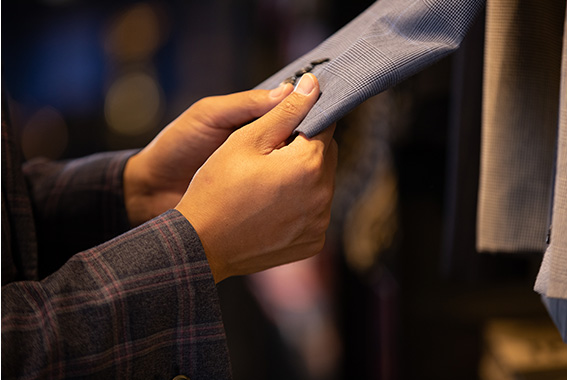
Quality control of ready to wear clothing is a necessary measure to ensure product quality throughout the entire processing process. It involves studying the quality issues that may arise during the processing and developing necessary quality inspection standards and regulations.
08